
What NOT to Buy Your Kids for Christmas
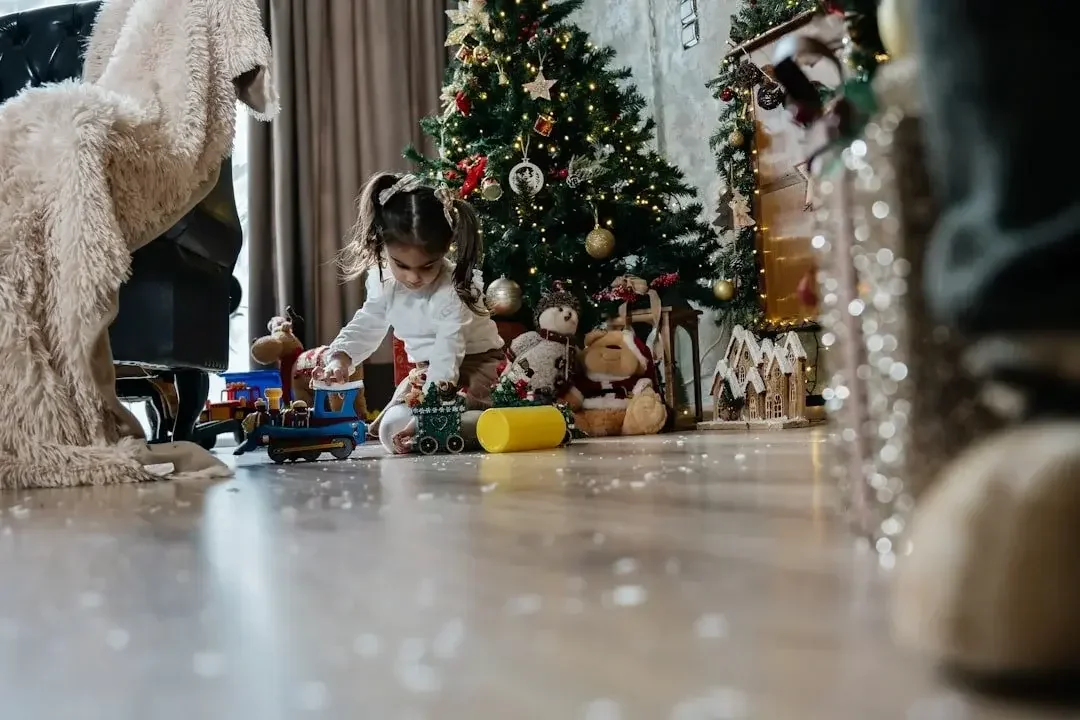
Marketers have a new darling to push on the American public this holiday shopping season: AI toys. Touted as the latest and greatest must-haves for kids of all ages, including infants and toddlers, these products integrate AI chatbots into stuffed animals, dolls, action figures, and other toys to mimic human characteristics, mannerisms, and communication patterns. Parents need to be skeptical in introducing AI toys to their children. Below are a few reasons why.
AI Toys Exploit Children’s Trust
AI toys prey on children’s trust by blurring the lines between reality and fantasy. Turning a favorite stuffy into a talking “friend” who “listens,” “knows” the child and “cares” about him or her is a cruel way to exploit children’s innate desire for connection and intimacy. It’s playing friendship, not fostering friendship, and doing so at the expense of a vulnerable child. AI toys aren’t friends, they’re objects; they don’t listen, they record; they don’t know, they compute, and they don’t care because they have no heart, no soul, no mind. Children deserve real relationships, not a sorry replica.
AI Toys Harm Real Relationships
Relationships that involve live, reciprocal conversations embedded in social responsibility teach children how to make their way in the world. Social responsibility means children bear consequences when they engage in socially unacceptable ways. If they lie, whine, or bully there is a social price to pay. With real people, children learn to practice empathy, manage conflict, negotiate, persevere, and control their impulses and emotions. Bots, unlike people, are designed to be cooperative, agreeable, and affirming—characteristics that may be pleasing, but offer little to develop a child’s ability to be a friend or appreciate the benefits of genuine connection.
AI Toys Reduce Creative Play
AI toys, like so many battery operated and screen-focused toys before them, not only train children to believe the wrong things about relationships. They also reduce the amount of time children spend in creative, generative play—a critical exercise for proper development. Play with inanimate objects prompt children to provide their own animation—giving voice to a doll, purpose to a building block, or transforming a handkerchief into a princess’s tiara. Developmental professionals advise that playing with toys should be 90% child and only 10% toy. Leave the AI toys at the store and give your kids the gift of a growing imagination.
Privacy Risks of AI Toys
Companies offering AI toys aren’t doing so charitably—their return on investment goes far beyond the purchase price of their animated toy. Kids and families pay with data. AI toys record audio, video, and physiological data points (think: heart rate, facial expression, etc.). This data is a treasure trove for companies eager to develop targeted marketing, develop persuasive technologies, and create lifetime customers. Yet this data collection is inherently invasive, opening private moments, family conversations, and visits to the restroom or changing room to potential violative disclosure. AI toys compromise the privacy of every member of the family.
Can These Companies Be Trusted?
Finally, consider the source of AI toys—companies that have shown themselves to play fast and lose with children’s privacy for years. Companies like Meta and Google have been claiming for years that they care about protecting children and safeguarding content, yet lawsuits and congressional hearings that tell the stories of families who’ve suffered debilitating health crises and tragic loss due to company practices that place profit over well-being tell a different story. Before you buy an AI teddy bear for your elementary-age child, consider the source and whether their motives align with your child’s best interests. You are the gatekeeper of your child’s safety and well being. Take a stand.
The Bottom Line: Protect Your Child’s Imagination
Children throughout time have benefited from the opportunity to grow, learn, and mature through play. Don’t fall for the marketing ploy that your child needs the newest shiny thing. Generative play honors the dignity of every image-bearing child, graced by God with the ability to create their own worlds and narrate their own scripts. This season protect that dignity, and leave the AI toys on the shelf.
Want help navigating healthy development or technology concerns with your child? Our licensed clinicians at Firm Foundation Family Services are here to support you. Reach out anytime to schedule a session.
FAQs
Are AI toys safe for children?
AI toys raise concerns related to emotional development, privacy, and social learning. Many are designed to mimic friendship without true relational reciprocity, which can confuse young children and interfere with healthy attachment, imaginative play, and real-world social skills.
Why are AI toys harmful to children’s emotional development?
AI toys simulate care and connection without genuine empathy or accountability. Because they are programmed to affirm and comply, children miss opportunities to practice empathy, conflict resolution, emotional regulation, and social responsibility—skills that develop through real human relationships.
How can counseling help families navigate technology concerns?
Family and child counseling can help parents set healthy boundaries around technology, address behavioral or emotional concerns, and support age-appropriate development. At Firm Foundation Family Services, licensed clinicians help families make thoughtful, values-based decisions that protect children’s well-being.
