
Trauma & Stress-Related Counseling in Ashburn, VA
Sometimes the hardest experiences stay with us long after they're over.
Whether you've experienced a single traumatic event, ongoing stress, or difficult life circumstances, the effects can show up in ways you may not expect—feeling constantly on edge, emotionally overwhelmed, disconnected, or struggling to feel safe.
Our trauma-informed approach helps children, teens, and adults understand their experiences, strengthen coping skills, and move toward healing at a pace that feels safe and supportive.

Understanding Trauma and Chronic Stress
Life can bring experiences that overwhelm our ability to cope. For some individuals, these experiences involve a single distressing event. For others, the impact develops over time through chronic stress, difficult relationships, ongoing adversity, or repeated experiences that leave them feeling unsafe, overwhelmed, or emotionally exhausted.
Trauma is not defined solely by what happened. It is also shaped by how an experience affects a person's sense of safety, connection, and ability to function. Two people may experience the same event and respond differently based on factors such as age, support systems, personal history, and resilience.
At Firm Foundation Family Services, we provide compassionate, trauma-informed counseling for children, adolescents, and adults. Our goal is to help clients better understand their experiences, strengthen coping skills, and move toward healing at a pace that feels safe and supportive.
How Trauma and Stress Impact Daily Life
The effects of trauma and chronic stress can extend far beyond the original experience.
Children may experience behavioral changes, emotional outbursts, difficulty concentrating, withdrawal, sleep disturbances, or increased anxiety. Adolescents may struggle with relationships, self-esteem, emotional regulation, or academic performance.
Adults often describe feeling constantly on edge, emotionally overwhelmed, disconnected from others, or stuck in patterns that no longer serve them. Some people become highly vigilant and anxious, while others may feel numb, detached, or emotionally shut down.
Trauma and chronic stress can also affect relationships. Trust may feel difficult, emotional closeness may feel overwhelming, or individuals may find themselves reacting strongly to situations that seem minor to others. These responses are often rooted in the nervous system's attempts to protect against perceived threats.
Common Signs and Symptoms of Trauma and Chronic Stress
Trauma and chronic stress can affect thoughts, emotions, behaviors, relationships, and physical health.
You might notice trauma or stress-related challenges showing up in the following ways:
Hypervigilance: Feeling constantly alert, on guard, or prepared for something to go wrong.
Anxiety and Worry: Experiencing persistent fear, nervousness, or difficulty feeling safe and secure.
Emotional Overwhelm: Feeling easily triggered, emotionally reactive, or unable to manage strong emotions.
Avoidance: Avoiding people, places, conversations, memories, or situations associated with distressing experiences.
Difficulty Trusting Others: Struggling to feel safe in relationships or allowing others to get emotionally close.
Disconnection or Numbness: Feeling detached from emotions, relationships, or experiences that once felt meaningful.
Sleep Difficulties: Trouble falling asleep, staying asleep, or feeling rested.
Physical Stress Response: Experiencing headaches, muscle tension, fatigue, digestive concerns, or other stress-related symptoms.
The impact of trauma varies widely from person to person. Symptoms may appear immediately following an event or emerge months or even years later.
Ready to
Learn More?
If ADHD is affecting your daily life, relationships, school experience, or work performance, you don't have to navigate it alone. Our clinicians provide compassionate, individualized support to help children, teens, and adults better understand their strengths, develop practical strategies, and move forward with confidence.
How Trauma Affects the Brain and Body
Trauma is not simply a memory stored in the mind. It can affect the body's stress response system and influence how individuals experience safety, relationships, emotions, and the world around them.
When the brain perceives danger, the nervous system activates protective responses such as fight, flight, freeze, or fawn. These responses are designed to help us survive threatening situations. However, after a traumatic experience, the nervous system may remain highly activated even when danger is no longer present.
As a result, individuals may find themselves reacting strongly to situations that others perceive as manageable. They may struggle to relax, feel safe, trust others, or regulate emotions. Understanding these responses can help reduce self-blame and create a foundation for healing.
Connection, Safety, and Healing
Trauma often impacts a person's sense of safety and connection. It can affect how individuals view themselves, relate to others, and engage with the world around them.
Many people who have experienced trauma find themselves caught between wanting connection and fearing vulnerability. Others may feel disconnected from their emotions, relationships, or sense of identity.
Healing often begins with restoring a sense of safety—both internally and within relationships. Through a supportive therapeutic relationship, clients can begin exploring difficult experiences, developing new coping strategies, and rebuilding trust in themselves and others.
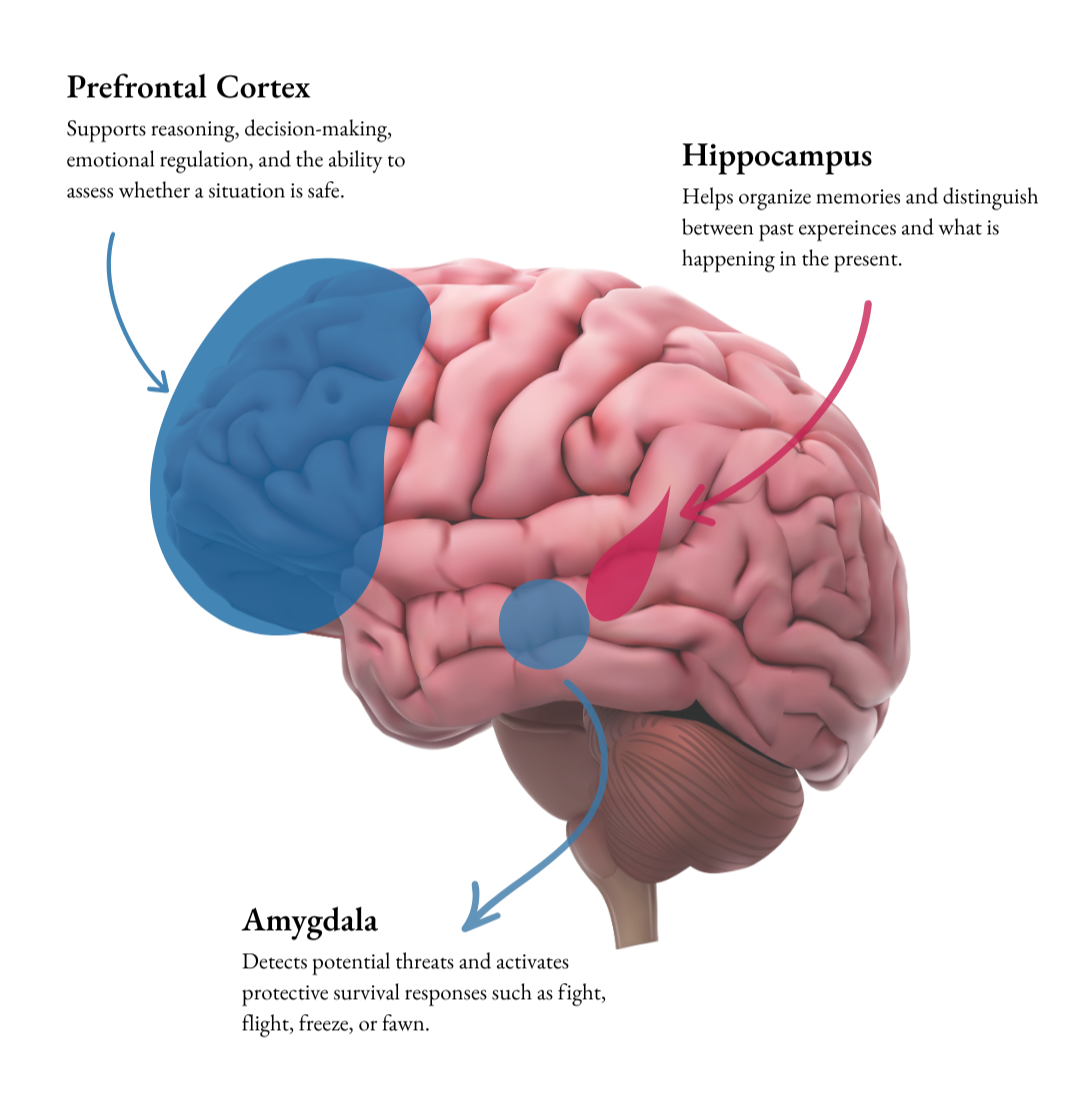
After trauma, the brain’s alarm system may become more sensitive, making it difficult to feel safe even when immediate danger has passed. With support, safety, and effective treatment, the nervous system can develop healthier patterns of response.
Trauma-Informed Counseling and Support
Trauma-informed therapy recognizes the profound impact that difficult experiences can have on emotional, physical, relational, and psychological well-being.
Counseling can help individuals:
Understand trauma responses and nervous system patterns
Develop healthy coping and grounding strategies
Improve emotional regulation
Process difficult experiences at an appropriate pace
Strengthen self-compassion and resilience
Build healthier relationships
Reduce feelings of shame, fear, or isolation
Restore a sense of safety and empowerment
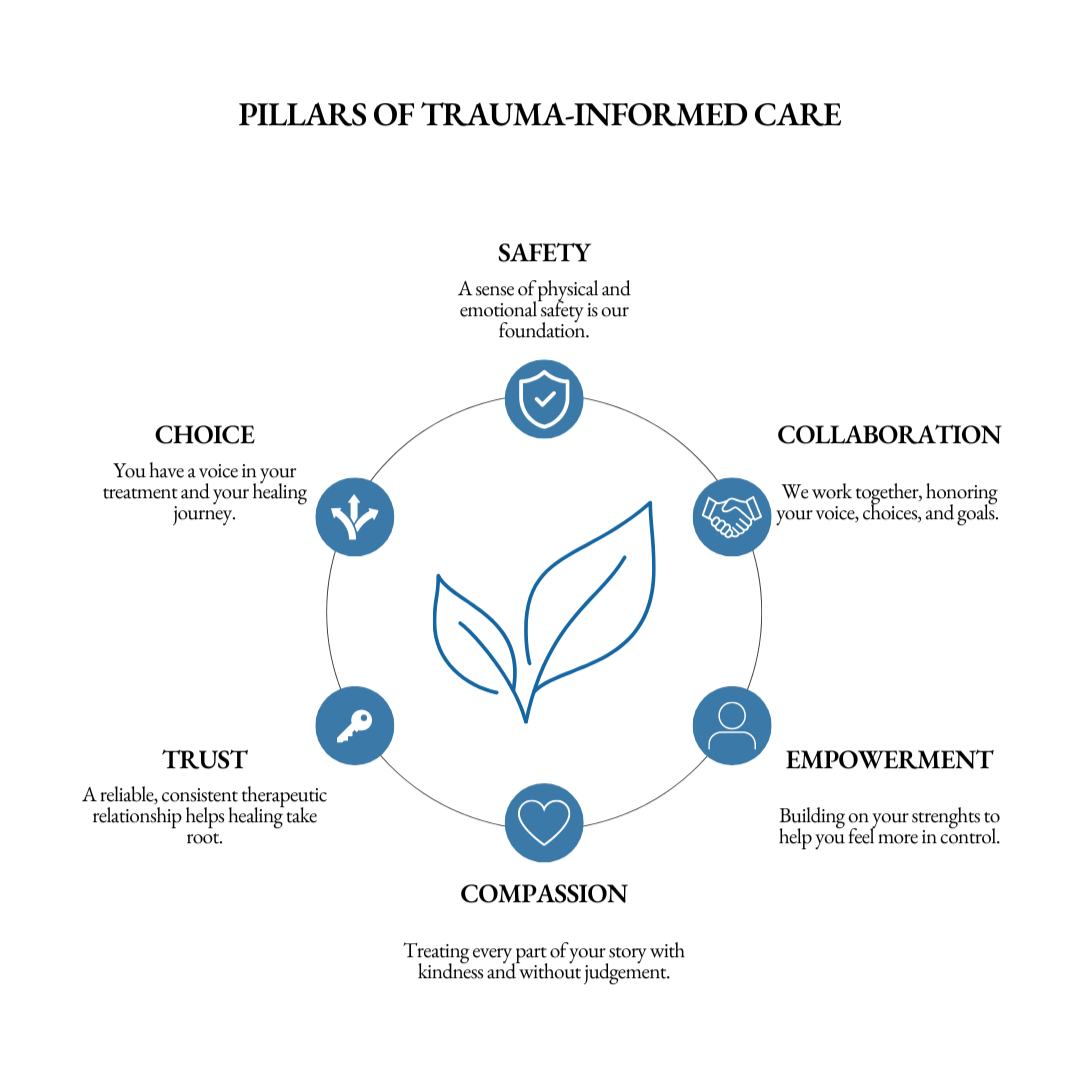
Our clinicians tailor treatment to each individual's experiences, strengths, and goals. We believe healing occurs through safety, trust, and collaboration—not pressure or judgment.
About 70%
of adults experience at least one potentially traumatic event during their lifetime.
Most people recover
Many individuals naturally recover from trauma, while others benefit from professional support to process their experiences.
Healing is possible
Trauma-informed counseling helps clients build safety, resilience, and healthy coping skills.
Trauma & Stress-Related Counseling in Ashburn and Northern Virginia
Firm Foundation Family Services provides provides trauma-informed counseling for children, adolescents, and adults in Ashburn, Loudoun County, and throughout Northern Virginia. Our clinicians offer individualized support for those coping with a recent traumatic event, long-term stress, childhood experiences, relationship challenges, or unresolved emotional wounds
Meet our Counselors Who Support Clients with Trauma and Stress-Related Challenges


FAQs
-
Trauma is an emotional and physiological response to an experience that overwhelms a person's ability to cope. Trauma can result from a single event, ongoing stress, difficult relationships, childhood experiences, or other situations that impact a person's sense of safety and well-being.
-
Yes. Trauma can affect the nervous system and contribute to physical symptoms such as headaches, muscle tension, fatigue, digestive concerns, sleep difficulties, and increased stress responses.
-
Signs may include anxiety, hypervigilance, emotional reactivity, avoidance, difficulty trusting others, relationship challenges, sleep disturbances, or feeling disconnected from yourself or others.
-
Trauma-informed therapy recognizes the impact of traumatic experiences and prioritizes safety, trust, collaboration, and empowerment throughout the counseling process.
-
Yes. Firm Foundation Family Services provides trauma-informed counseling services in Ashburn, VA, and serves individuals and families throughout Loudoun County and Northern Virginia.